A friend asks you straight out: if something happened, would karate actually help? It is the right question, and an honest answer starts with an uncomfortable fact. Nobody can promise you a result, and anyone who does is selling something.
This post does not try to sell you karate as a guarantee. It sets out what the IOSSKA-NZ dojo in Ōrākei says about self-defence, what New Zealand Police advise comes first, what training can reasonably offer, and the questions worth asking any dojo that talks about self-defence. Dojo facts are from its own site, checked in October 2026.
What the dojo says
The self-defence claim is plain on the dojo’s site. The Teens & Adults class is described as “Traditional kata, kihon and kumite. Get fit, de-stress and learn real self-defence, with a clear path to black belt.” The dojo adds a line attributed to its Supreme Sensei: “karate is not a sport. Real self-defence, focus and self-belief.” And there is a separate program, Defense for Women, described as “Practical, confidence-building self-defence for women, taught by experienced instructors in a supportive environment.”
Those are statements of what the dojo is aiming at. The site does not publish evidence of how well a particular class prepares someone for a particular situation, and neither do we have any. So treat them as intent, and judge the class for yourself.
What NZ Police say comes first
The official advice is worth reading before any class. The Police page Keep safe when out and about, New Zealand Police is short and practical:
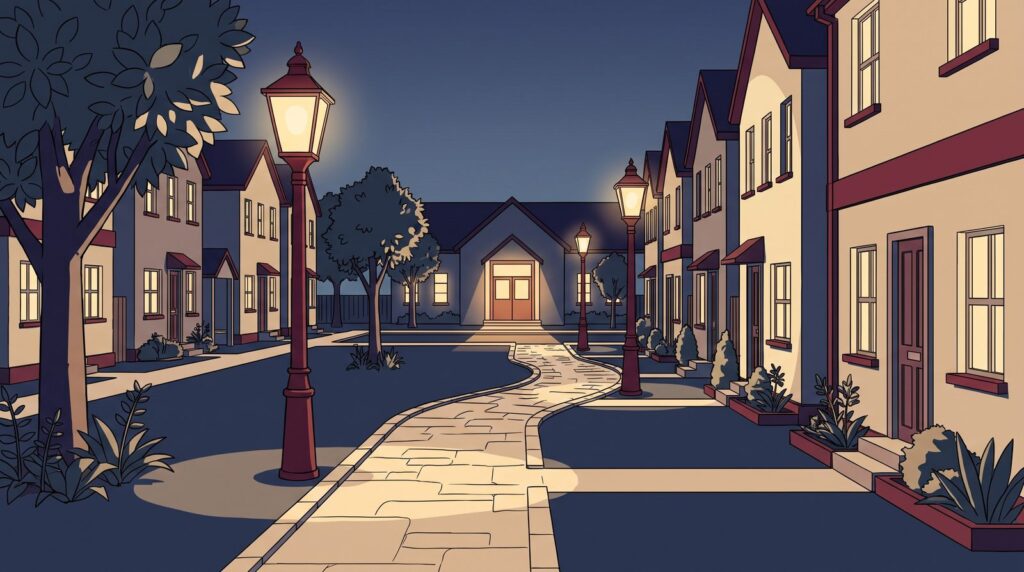
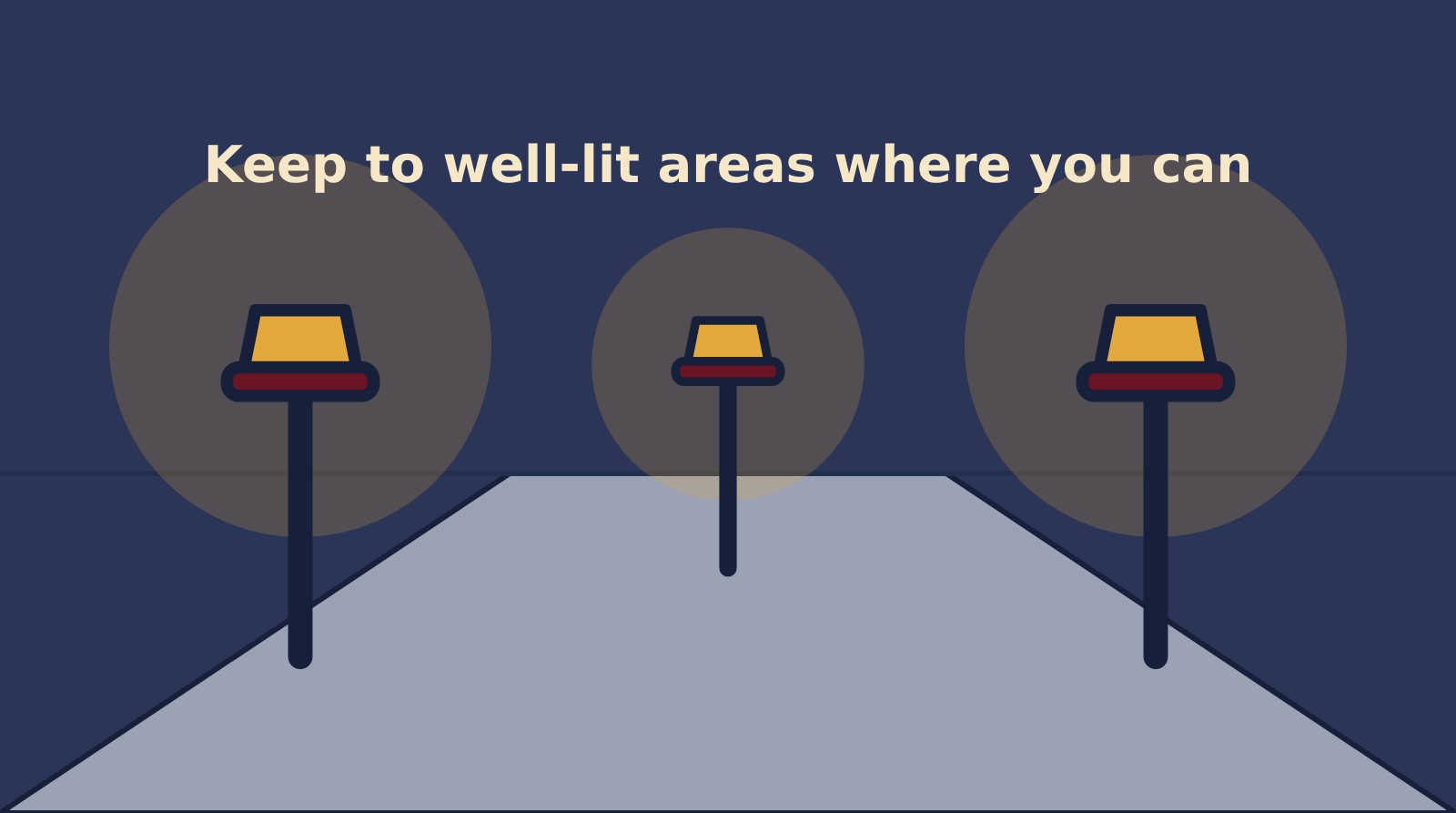
- Where possible, “always keep to well-lit areas”.
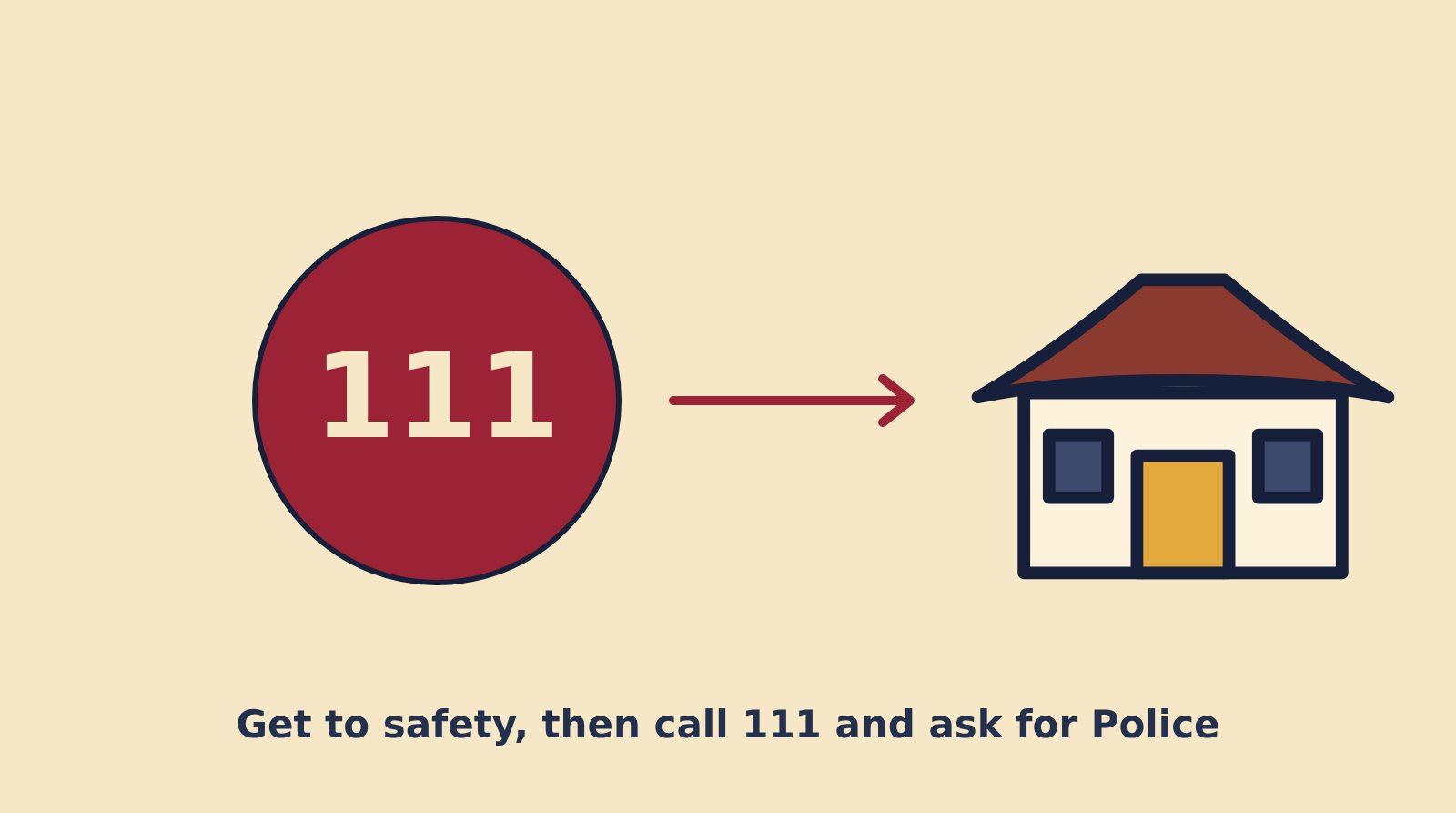
- If you think someone is following you, “keep looking ahead and walk briskly”, cross the road to see if they follow, and if they do, go to the nearest place where there are people, then call 111 and ask for Police.
- “Don’t accept a lift from a stranger.”
- If you are attacked, “try to escape and get to safety”, then call 111 and ask for Police.
The page also says to avoid confrontation where possible, and that if force is used it must be reasonable, with your first concern being your own safety and that of others with you. The advice is, in short, that the first defence is avoiding trouble and getting to safety, not a technique.
What training can and cannot promise
Here is a fair way to put it. Karate training gives you a structured set of skills and a regular reason to practise them. By the dojo’s account, the training covers kihon (basics), kata (forms) and kumite. Wikipedia describes bunkai, the study of what a kata’s movements are for, as “usually performed with a partner or a group of partners which execute predefined attacks”. That is practice against set situations in a controlled setting, and it is not the same as an unplanned encounter.
What training cannot do is guarantee how you would respond in a real moment, and nobody can honestly promise that it will. If a class tells you that you will be able to defend yourself after a few weeks, treat that as a warning sign. That is our view, not a quotation from any source.
What it can reasonably offer is more modest. A regular class gives you practice at moving, at staying calm while you work, and at asking for help from people who know more than you do. The Mental Health Foundation’s page on movement says it can “increase our sense of achievement and confidence”. That is about movement in general, not karate specifically, but it points at something many people want from a class: to feel more capable.
Questions to ask any dojo that offers self-defence
These are our suggestions, not the dojo’s wording. A good instructor will welcome them:
- What do you teach about avoiding trouble and getting to safety, before any technique?
- What does partner practice look like for a beginner, and how is it kept safe?
- Do you teach what the law says about reasonable force? (NZ Police say force must be reasonable.)
- What can I realistically expect after three months? After a year?
- How do you handle injuries, and what do I need to tell you about mine?
- Can I try a class before I pay anything?
On the last one, the Ōrākei dojo says your first two classes are free.
What the Ōrākei dojo offers
Two programs lean on self-defence. The Teens & Adults class (ages 15 to 64) is on Wednesdays and Fridays, 6 to 7pm. The Defense for Women class is described by the dojo as above; its site gives no separate price or timetable, so ask. For the longer picture of the main adult class, see karate for teens and adults at the Ōrākei dojo.
The dojo’s site gives prices of $95 a month for two days a week (recommended) or $65 for one day for Teens & Adults, plus a one-off $20 joining fee that covers a passbook, in NZD. The gi, badge and belt are extra, and grading is charged separately. Every additional family member gets 50% off the monthly fee.
How to try it
- Book. Call 029 128 0873 or fill in the booking form. An instructor will call within one working day. Use that call to ask the questions above.
- Wear comfortable clothes you can move in. You do not need a uniform yet.
- Arrive 10 minutes early, on a Wednesday or Friday, 6 to 7pm. The current term runs from 7 October to 18 December.
For what the evening involves, see what to expect at your first class. If you are in immediate danger, call 111.
Frequently asked questions
Is karate realistic self-defence?
The dojo describes its Teens & Adults class as teaching real self-defence, but nobody can promise how any training will translate to a real situation. New Zealand Police advise that the first priority is to avoid trouble, get to safety and call 111.
What do NZ Police advise if I am being followed?
The Police page says to keep looking ahead and walk briskly, cross the road to see whether the person follows, and if they do, go to the nearest place where there are people, call 111 and ask for Police.
Does the dojo teach self-defence for women?
Yes. The dojo has a Defense for Women class, described as practical, confidence-building self-defence for women, taught by experienced instructors in a supportive environment. The site gives no separate price or timetable, so ask an instructor.
How much does the Teens & Adults class cost?
The first two classes are free. After that it is $95 a month for two days a week (recommended) or $65 a month for one day a week, plus a one-off $20 joining fee that covers a passbook. The gi, badge and belt are extra, and grading is charged separately. Prices are in NZD.
Do I need to be fit to start?
No. The dojo says its classes are beginner-friendly and you train at your own pace.
Sources
- IOSSKA-NZ, seibukan.co.nz: program descriptions, philosophy wording, pricing and booking (checked October 2026).
- Keep safe when out and about, New Zealand Police: personal safety advice, quoted as published (the page has no last-updated date).
- Bunkai, Wikipedia: what bunkai is and how it is practised.
- Starting physical movement, Mental Health Foundation of New Zealand: movement, achievement and confidence.
Curious about training? Your first two classes are free: Wednesdays and Fridays, 6 to 7pm, at Ōrākei Community Centre. Call now or fill in the form.