You’ve been thinking about it for weeks. Maybe your child keeps asking, maybe a friend mentioned it, maybe you just want to try something that isn’t a gym. And then you stall on the same few questions. What do I wear? Will I be the only beginner? Do I have to fight someone? Will I do something wrong and embarrass myself?
Those are the right questions, and none of them are a reason to stay home. This guide walks through what a first karate class at the Ōrākei dojo actually involves, in plain words, so that when you walk in you already know where to put your shoes.
The short version: your first two classes are free, you wear comfortable clothes you can move in, and you arrive about ten minutes early. Everything else is learned on the night, from people who remember what it was like to be new.
The basics: when, where and what it costs
All of this comes straight from the dojo’s own site, checked this week.
- Where: Ōrākei Community Centre, 156 Kepa Road, Ōrākei, Auckland (open in Google Maps).
- When: Wednesdays and Fridays, 6 to 7pm. The current term runs from 7 October to 18 December.
- First two classes: free.
- Joining fee: a one-off $20 when you sign up, which covers your passbook. The passbook lets you train at any IOSSKA dojo worldwide. The cost of your gi (the training uniform), badge and belt is not included.
- Monthly fees: training 2 days a week (Wednesday and Friday) is the dojo’s recommended plan: $85 for juniors (7 to 14), $95 for teens and adults (15 to 64) and $85 for seniors (65+). Training 1 day a week (Wednesday or Friday) is $55, $65 and $55, and the dojo says it gives slower progress. Students can switch between the plans. Each additional family member gets 50% off the monthly fee, on either plan.
- Grading: charged separately. The site says grading is held approximately every 6 months.
- All prices are in NZD.
That free trial matters. You are not paying a joining fee, buying a uniform or committing to anything before you know whether you like it. You are turning up twice to find out.
What to wear and bring to the first class
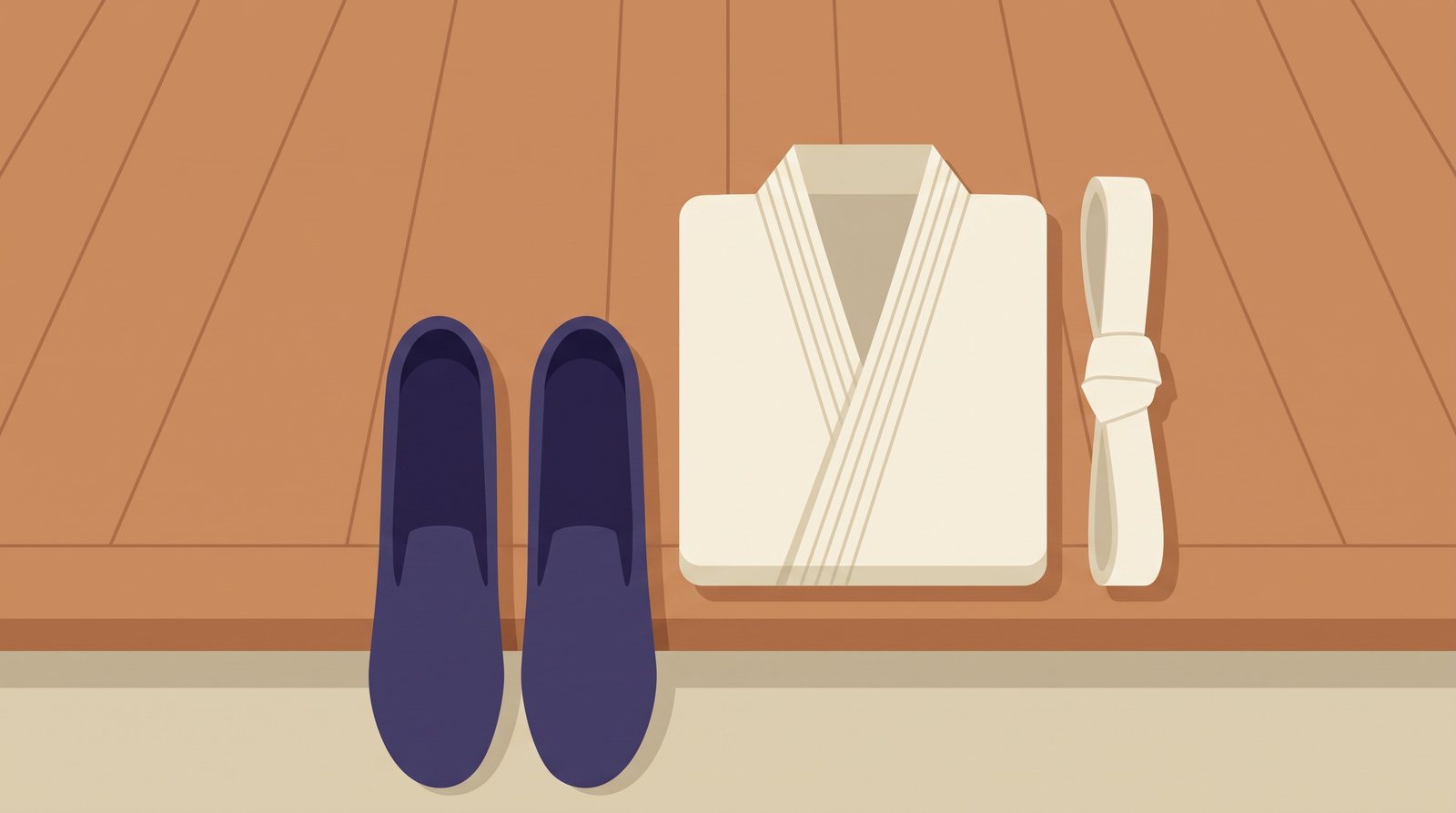
The dojo’s guidance is simple: wear “comfortable clothes you can move in”. For a trial class that means a T-shirt and track pants or leggings, nothing stiff, nothing that rides up when you lift a leg. You do not need a uniform yet. If you decide to continue, the gi, badge and belt are bought separately from the $20 joining fee.
A few other things worth doing on night one:
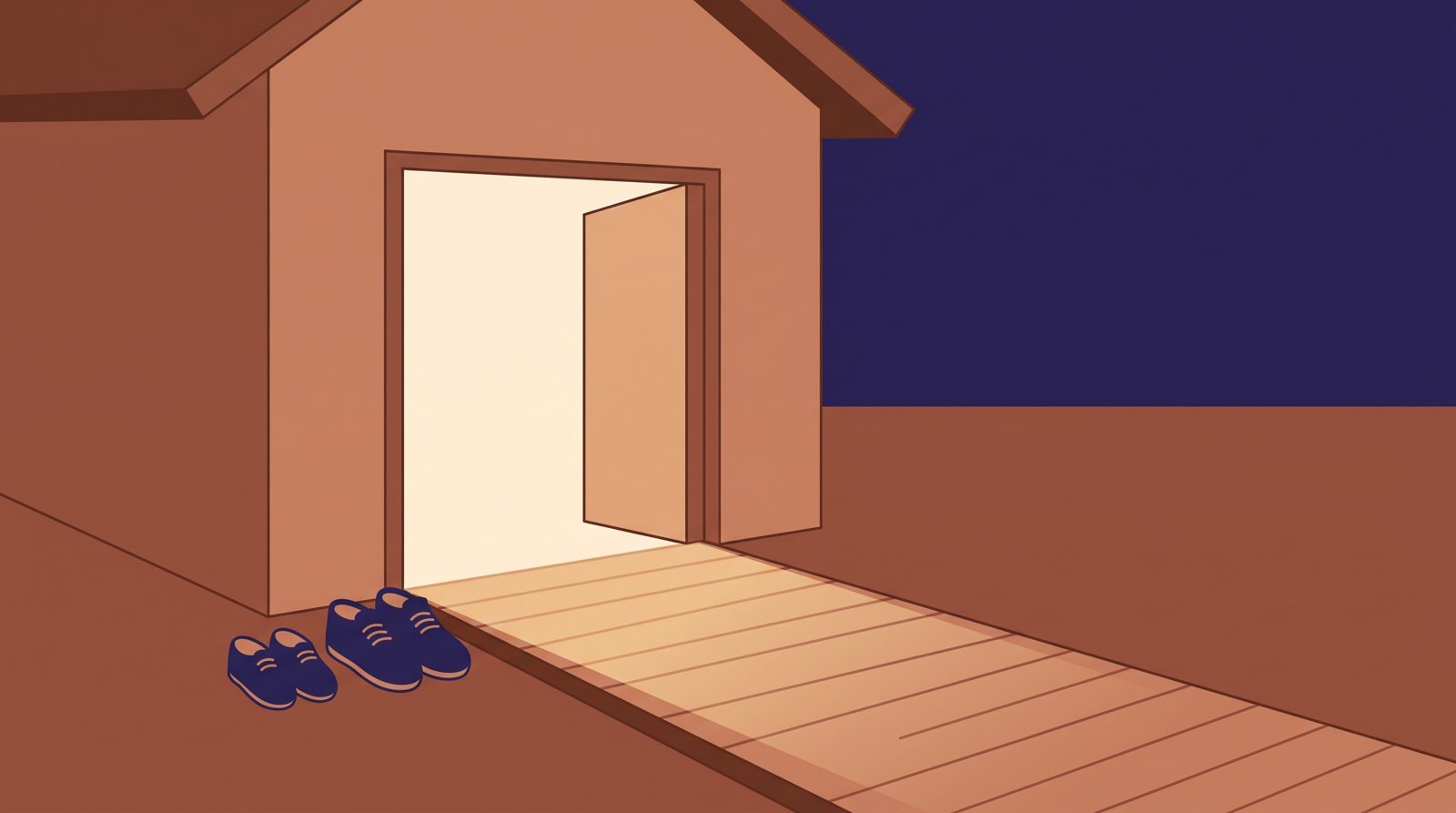
- Leave your shoes off the training floor. Shoes are not worn in a dōjō, in line with the Japanese custom of keeping the space clean and respectful, as Wikipedia’s dōjō entry notes.
- Take off jewellery and watches. It is a sensible precaution before any partner or movement work. If you are unsure, ask an instructor.
- Bring water. A bottle is sensible for any hour of exercise.
- Arrive about ten minutes early. The dojo asks for this, and it gives you time to meet an instructor and settle before class starts.
The instructors will show you anything else on the night.
Who you will meet
The instructors include Sensei Prinkal Nizama, Chief Instructor and Technical Director (Godan), and Sensei Sri Ramamurthy, Instructor (Ni Dan). The site also lists Kyoshi P R Ratnapala of IOSSKA-India as an advisor. The association is part of a wider Seibukan family: the style was founded in 1962 by Zenryo Shimabukuro, a student of the Okinawan master Chōtoku Kyan, and today is led by his son, Zenpo Shimabukuro, according to the Shōrin-ryū Seibukan entry on Wikipedia.
You do not need to know any of that on your first night. It helps to know that what you are learning has a long line of teachers behind it, and that the people in front of you are part of it.
Respect comes first
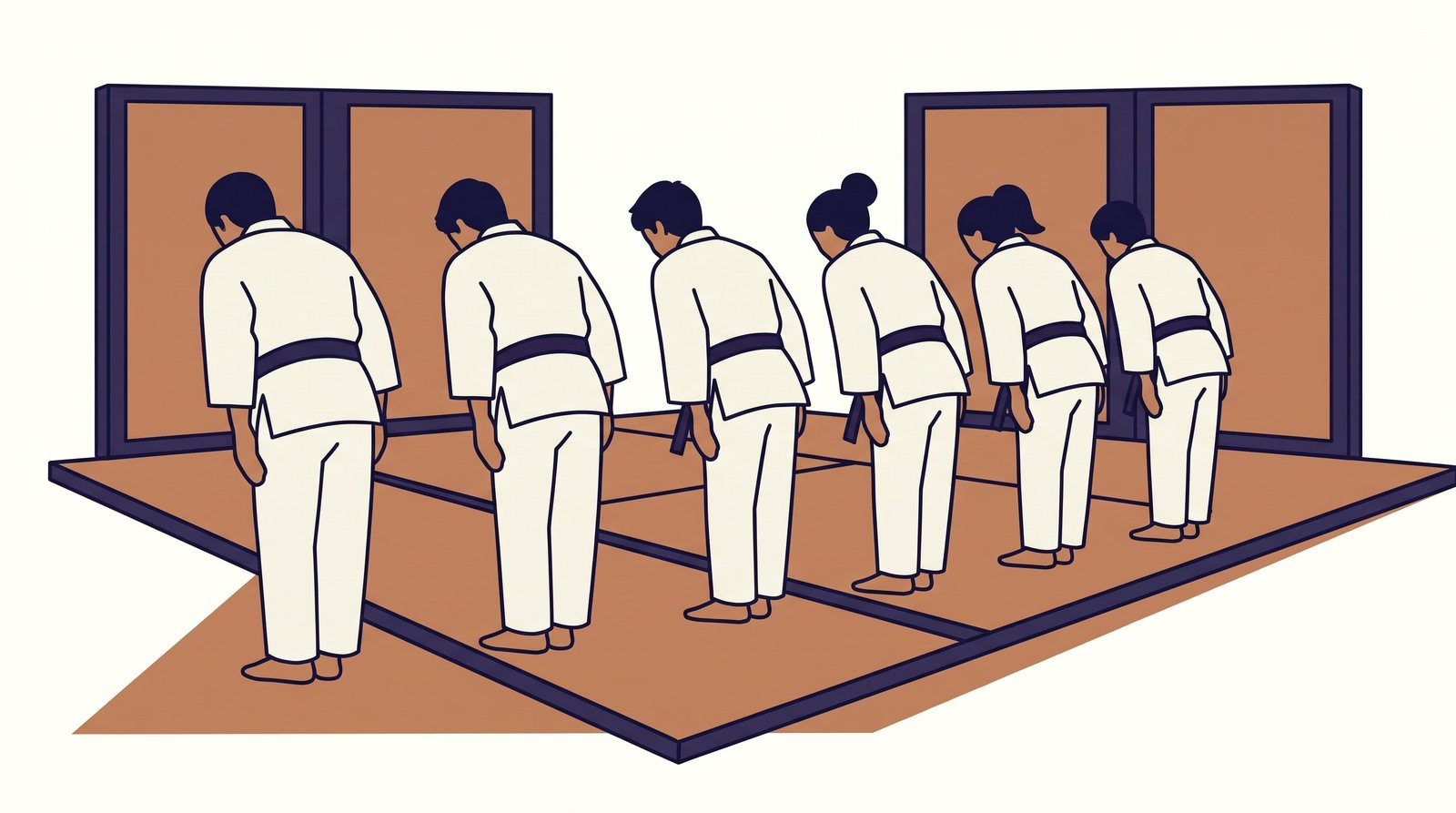
You will notice quickly that a dojo is a place of courtesy. Karate training comes with a dōjō kun, a set of guidelines for students that, as Wikipedia’s karate entry puts it, “apply both in the dōjō (training hall) and in everyday life”.
On the night, that shows up in small, practical ways: how you enter the training space, how you greet the instructors and how you treat the people you train with. The instructors will show you each step as it comes up. If something feels foreign, copy the person next to you. Nobody expects a beginner to get it perfect.
What you will actually do
The dojo’s site doesn’t set out a minute-by-minute lesson plan, and we won’t invent one here. What we can say is what karate training is commonly divided into, according to Wikipedia’s karate entry: kihon (basics or fundamentals), kata (forms) and kumite (sparring).
- Kihon means the basics. This is where everyone starts.
- Kata are set patterns of movements practised alone: “approximately 20 to 70 moves, generally with stepping and turning, while attempting to maintain perfect form” (Kata, Wikipedia).
- Bunkai means taking a kata apart to understand what each movement is for.
Expect a lot of repetition, and expect to feel awkward. Almost everyone does, and everyone in the room was a beginner once.
Common worries, answered
Do I have to spar on the first night?
No. Nothing on the dojo’s site suggests that a trial class involves fighting, and the stated focus for a first visit is simply turning up in comfortable clothes. If you have a worry about contact, say so to an instructor before class starts.
What if I am late, or I get something wrong?
Both are normal, and nobody expects a beginner to get everything right. If you are running late, call the dojo on 029 128 0873 and let them know. If you are unsure about something on the night, ask an instructor.
Is it only for kids and young people?
No. The dojo runs separate programs for juniors (7 to 14), teens and adults (15 to 64) and seniors (65+), plus family classes, a Defense for Women program and a black belt and advanced program. Start with the one that matches your age; the instructors will point you to the right place.
Do I need to be fit first?
The site doesn’t ask for any particular fitness level. If you have an injury or a health condition, mention it to an instructor and check with your doctor before you start.
How to book your first free class
Fill in the form on the dojo’s website and, according to the site, an instructor will call you within one working day to find the right class and time and book your two free trial classes. If you would rather talk now, call 029 128 0873. Then:
- Agree a class and time with the instructor: Wednesdays or Fridays, 6 to 7pm, at Ōrākei Community Centre, 156 Kepa Road.
- Wear comfortable clothes you can move in.
- Arrive ten minutes early and introduce yourself.
- Take your free classes, then decide.
The first two classes are free, and the current term runs to 18 December. That’s plenty of time to find out if karate is for you.
Frequently asked questions
When are the karate classes at Ōrākei?
Wednesdays and Fridays, 6 to 7pm, at Ōrākei Community Centre, 156 Kepa Road, Ōrākei, Auckland. The current term runs from 7 October to 18 December.
Is the first karate class really free?
Yes. The dojo’s site says your first two classes are free. After that there is a one-off $20 joining fee, which covers your passbook (the gi, badge and belt cost extra, and grading is charged separately), and then monthly fees from $55 to $95 depending on the program and whether you train one or two days a week.
What should I wear to my first karate class?
Comfortable clothes you can move in. You don’t need a uniform for the trial. Leave jewellery and watches at home, and leave your shoes at the edge of the floor.
Can children and adults train together?
The dojo runs family classes for people to train together, as well as separate programs for juniors (7 to 14), teens and adults (15 to 64) and seniors (65+). Families also get 50% off the monthly fee for every additional member.
Do I need any experience?
No. Beginners are welcome, and the basics (kihon) come first.
Sources
- IOSSKA-NZ, seibukan.co.nz: class times, venue, fees, programs, instructors and trial offer (checked 7 October 2026).
- Dōjō, Wikipedia: shoes are not worn in a dōjō.
- Shōrin-ryū Seibukan, Wikipedia: founding of Seibukan and its lineage.
- Kata, Wikipedia: what a kata is.
- Karate, Wikipedia: kihon, kata and kumite; the dōjō kun.
Ready to try it? Your first two classes are free: Wednesdays and Fridays, 6 to 7pm, at Ōrākei Community Centre. Call now or fill in the form.