It is a Thursday evening and you have been telling yourself for months that you will start something. Not a gym membership you will stop using in March. Something that gets you moving, clears your head after a long week, and gives you a skill you can keep getting better at.
If you are 15 or older, karate can be that something. The IOSSKA-NZ dojo runs a Teens & Adults class for ages 15 to 64 at the Ōrākei Community Centre, 156 Kepa Road, every Wednesday and Friday from 6 to 7pm. This post explains what the class involves, what it costs, and how to try it, using what the dojo’s own site says and a few public health sources.
What the Teens & Adults class is
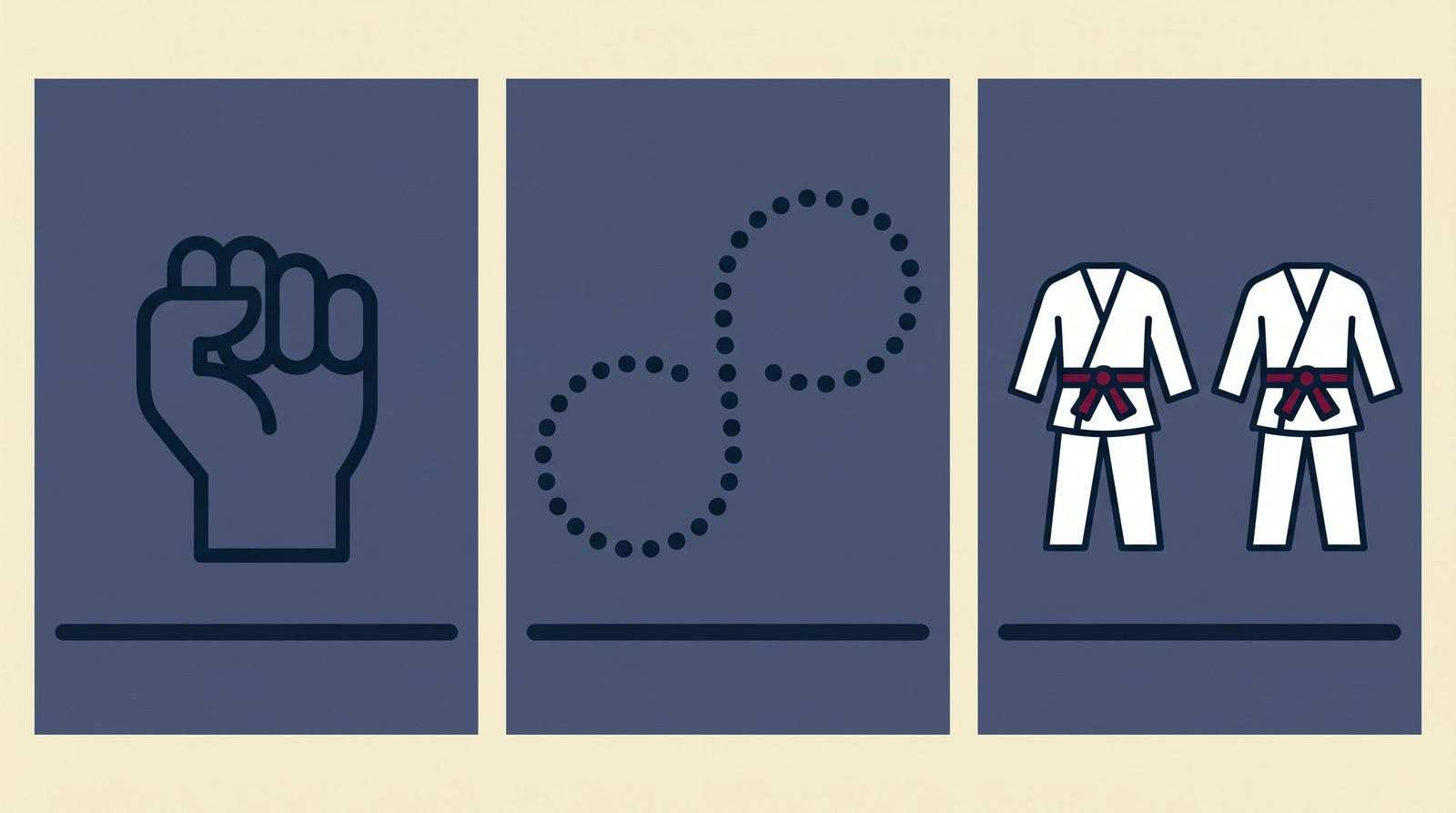
The dojo describes the class in one line: “Traditional kata, kihon and kumite. Get fit, de-stress and learn real self-defence, with a clear path to black belt.” Those three Japanese words are the backbone of the training, so here they are in plain English:
- Kihon means “basics” or “fundamentals”, according to Wikipedia’s Kihon entry. In plain terms, the basic techniques, practised until they are clean.
- Kata means “form”. Wikipedia describes it as a detailed choreographed pattern of movements, practised as a way to memorise and perfect them.
- Kumite is the part of karate where you train with a partner. Wikipedia’s Kumite entry lists it as one of the three main sections of karate training, alongside kata and kihon.
How your instructors run each part, and how quickly a beginner is introduced to partner work, is not spelled out on the dojo’s site. Ask on the intro call (details below). The instructors include Sensei Prinkal Nizama, Chief Instructor and Technical Director (Godan), and Sensei Sri Ramamurthy, Instructor (Ni Dan).
What an hour or two a week can do for you
Health NZ’s guide for adults, Be active every day: Physical activity for adults, says to do “at least 2½ hours of moderate or 1¼ hours of vigorous physical activity spread throughout the week”, and to add muscle-strengthening activities “at least twice a week”.
Two one-hour classes add up to two hours of scheduled training. That is a good chunk of the guideline, but we are not claiming a class on its own meets it, or that every minute counts as moderate or vigorous. The rest of the week, a walk or a bike ride fills the gap.
The mind-side benefit is what many adults say they are after. The Mental Health Foundation’s page on starting physical movement says movement “releases endorphins which can lift our mood”, can “increase our sense of achievement and confidence”, and offers “opportunities to connect with friends and whānau”. It also cites a Sport New Zealand study that found people who do “at least 2.5 hours of recreational physical activity in a week” were “51% more likely to report good mental wellbeing”.
A karate class is not a cure for a bad week. But learning a skill with a clear next step, in a room of people doing the same, hits several of those boxes at once.
What it costs
Everything below comes from the dojo’s site, checked on 9 October 2026. Prices are in NZD.
| What | Cost |
|---|---|
| First 2 classes | Free, with no obligation |
| Teens & Adults (ages 15 to 64), 2 days a week (Wednesday and Friday), recommended | $95 per month |
| Teens & Adults (ages 15 to 64), 1 day a week (Wednesday or Friday) | $65 per month |
| Joining fee | $20, one-off, covers your passbook |
| Family discount | 50% off the monthly fee for every additional family member |
| Gi, badge and belt | Not included in the joining fee |
| Grading | Charged separately, held approximately every 6 months |
The dojo’s advice is “Choose 2 days a week for the best results, or 1 day if your schedule is tight”, and students can switch between the plans. The passbook lets you train at any IOSSKA dojo worldwide, which is handy if you travel for work. If you are 65 or over, the dojo has a separate Seniors program, and Family classes let you train alongside your children.
The path to black belt
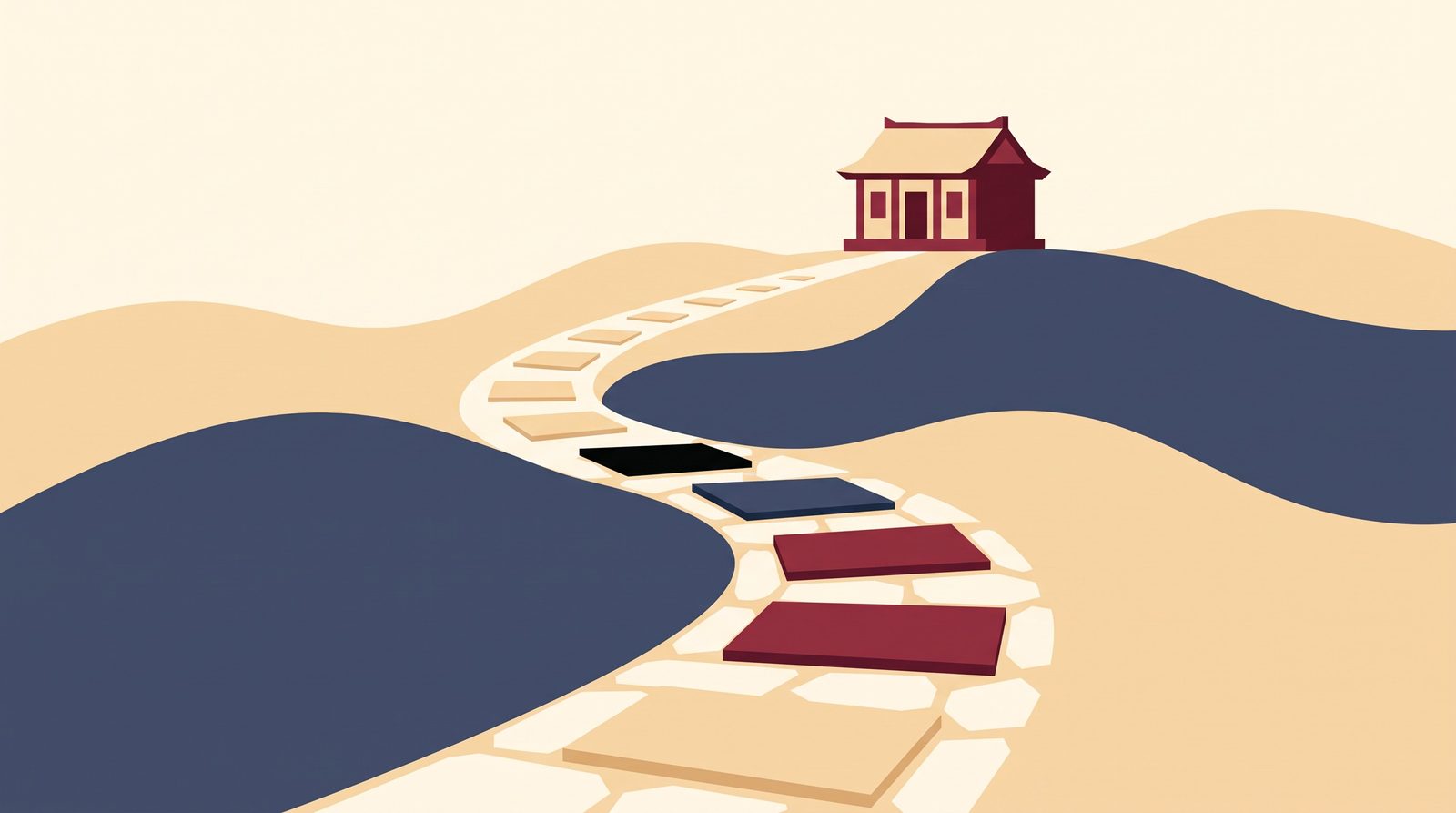
The dojo calls it “a clear path to black belt” and says black belt ranks are certified by the IOSSKA. Its site does not publish how long the journey takes or what each grading requires, so we will not guess at a number of years. Gradings happen about every 6 months, and your instructors can tell you where a beginner would be heading.
How to try it
- Book. Call 029 128 0873 or fill in the booking form. An instructor will call within one working day. That call is your chance to ask about fitness, injuries, and how beginners are brought into partner work.
- Wear comfortable clothes you can move in. You do not need a uniform for the trial.
- Arrive 10 minutes early on the day.
- Turn up on a Wednesday or Friday, 6 to 7pm. The current term runs from 7 October to 18 December, and bookings for next year will be announced shortly.
If you would like a walk-through of the evening itself, what to expect at your first class covers it from the door to the bow.
Frequently asked questions
What ages is the Teens & Adults class for?
Ages 15 to 64. The dojo has a separate Seniors program for ages 65 and over.
How much does adult karate cost at the Ōrākei dojo?
The first two classes are free. After that it is $95 a month for two days a week (recommended) or $65 a month for one day a week, plus a one-off $20 joining fee that covers a passbook. The gi, badge and belt are extra, and grading is charged separately. Additional family members get 50% off the monthly fee. Prices are in NZD.
When and where are the classes?
Wednesdays and Fridays, 6 to 7pm, at Ōrākei Community Centre, 156 Kepa Road, Ōrākei, Auckland. The current term runs from 7 October to 18 December.
What should I wear to my first class?
Comfortable clothes you can move in. A uniform is not needed for the free trial classes. Arrive 10 minutes early.
How do I book my free classes?
Call 029 128 0873 or fill in the booking form on the dojo’s website. An instructor will call you within one working day.
Sources
- IOSSKA-NZ, seibukan.co.nz: program description, class times, venue, pricing, gradings, booking process (checked 9 October 2026).
- Be active every day: Physical activity for adults (HE2311), Health NZ: weekly activity guidance for adults.
- Starting physical movement, Mental Health Foundation of New Zealand: mood, confidence, connection, and the Sport NZ finding.
- Kihon, Wikipedia, Kata, Wikipedia and Kumite, Wikipedia: meanings of the three terms.
Ready to try it? Your first two classes are free: Wednesdays and Fridays, 6 to 7pm, at Ōrākei Community Centre. Call now or fill in the form.