Your teenager has outgrown the after-school activity they used to love, or never found one that stuck, and you are starting to notice how much of their week happens on a screen. You are not looking for a trophy cabinet. You are looking for something they will turn up to, that is good for them, and that they might still be doing at 20.
The IOSSKA-NZ dojo at the Ōrākei Community Centre, 156 Kepa Road, teaches karate to ages 15 and over in its Teens & Adults program. This post is for parents of 15-, 16- and 17-year-olds, and for teenagers reading over their shoulder. It covers what the program says, what national guidance says about teen activity, what the site does not tell you, and what to ask before you book. Dojo facts are from its own site, checked in October 2026.
What the program is
The dojo describes Teens & Adults in one line: “Traditional kata, kihon and kumite. Get fit, de-stress and learn real self-defence, with a clear path to black belt.” The program covers ages 15 to 64. Juniors, for ages 7 to 14, is a separate program, so a 15th birthday is the point at which a young person moves up. We have a full account of the program in karate for teens and adults at the Ōrākei dojo.
The three Okinawan words are simpler than they sound. Kihon means “basics” or “fundamentals”. Kata are set sequences of movement practised alone. Kumite is practice with a partner. The dojo’s own view, quoted from its Supreme Sensei, is that “karate is not a sport. Real self-defence, focus and self-belief.” There is no team to make and no season to win, which suits a teenager who has had enough of being measured against others.
What national guidance says about teen activity
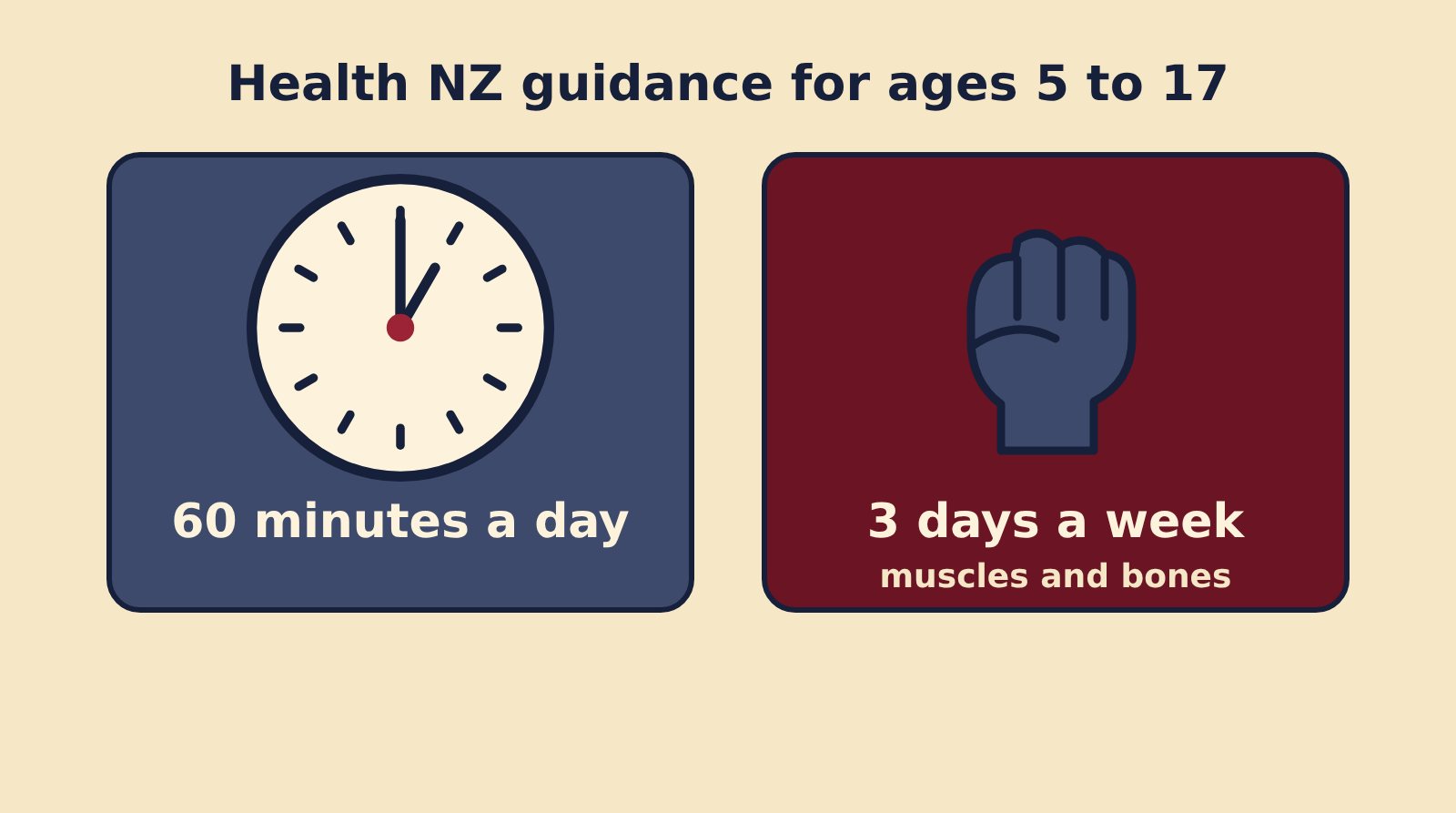
Health NZ’s HealthEd leaflet, Sit less, move more, sleep well, covers ages 5 to 17. It recommends “at least one hour of moderate to vigorous physical activity each day”, plus activities that strengthen muscles and bones on at least three days a week. It also suggests limiting recreational screen time to less than two hours a day, and advises “8–10 hours of quality uninterrupted sleep for 14–17 year olds”.
Set that beside a class. An hour a day is seven hours a week, and the dojo offers one hour on one or two nights.
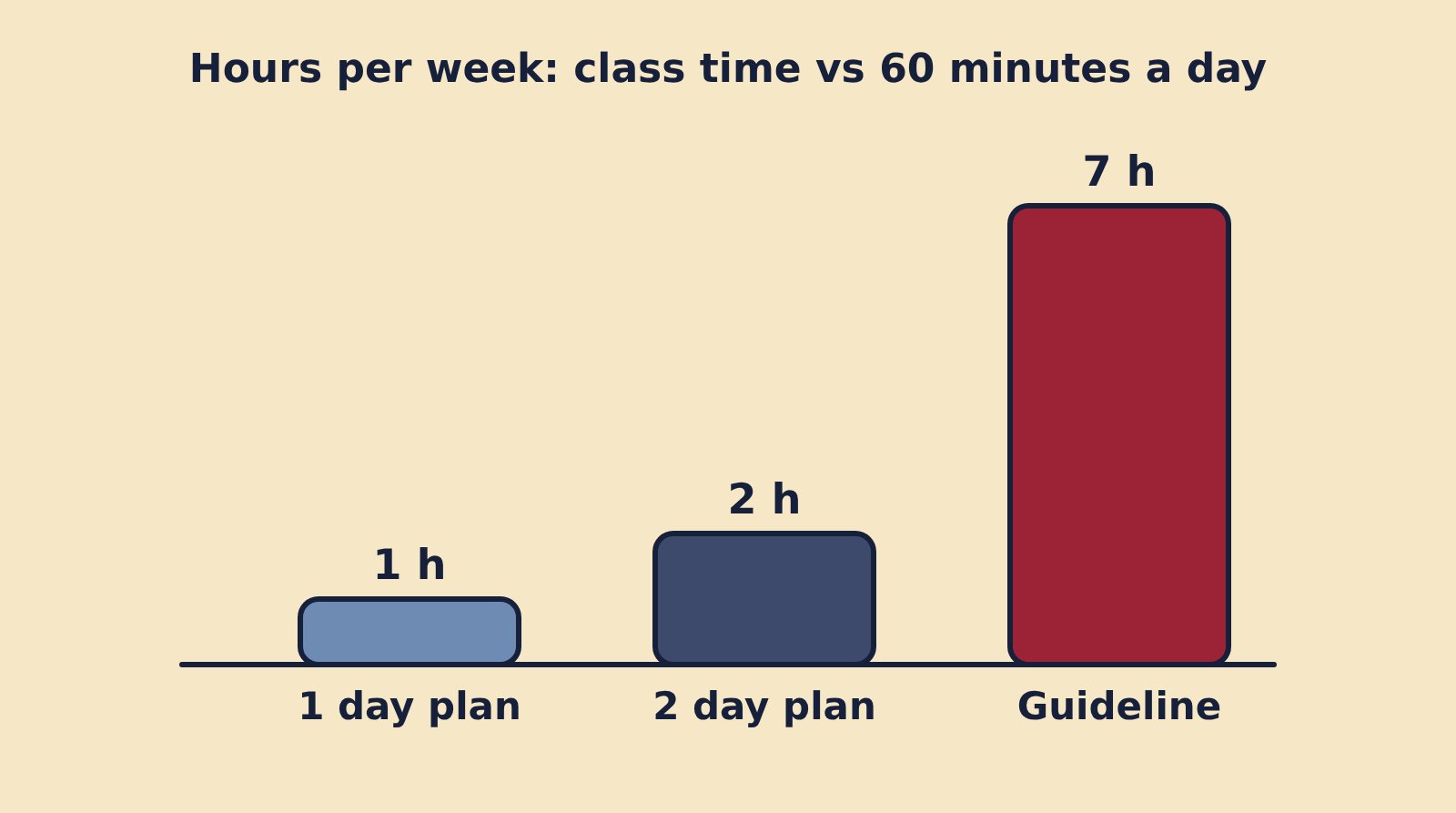
So karate on its own does not meet the guidance, and we are not claiming that it does, or that every minute of a class counts as moderate or vigorous. What it can do is give your teenager one or two fixed, appealing points in the week around which the rest of their activity can sit: a walk to the bus, a bike ride, a swim at the weekend. Whether the classes work the muscles and bones in the way the guidance describes, the dojo’s site does not say, so ask the instructors.
Mood, confidence and the screen problem
The dojo lists “de-stress” among the benefits. For independent backing on the general point, the Mental Health Foundation’s guide to starting physical movement says “physical movement can be an uplifting experience – it releases endorphins which can lift our mood”, and that “you don’t have to exercise to exhaustion to enjoy the benefits of moving your body”. That is about movement in general, not karate in particular, and it is the right message for a teenager who is wary of being pushed.
If your teenager is being bullied, karate is not the first step. The Ministry of Education’s page on bullying: help and support for your child says to “talk to the school if you have concerns about bullying”, and it lists the next steps if you are unhappy with the response. A class can sit alongside that, but we have found no independent evidence that it will stop bullying.
What the site doesn’t say
This is the part a parent most needs, and the site is silent on it. We would rather list the gaps than guess:
- Whether 15- to 17-year-olds train in the same class as adults, or in a group of their own.
- Who a teenager is paired with for partner practice, and how the instructors handle differences in age and size.
- Whether a parent can watch a class, or must stay for the first one.
- What the dojo needs from a parent when someone under 18 joins, such as consent or health information.
- Whether the instructors hold child-safety or first-aid qualifications.
The dojo does say respect and discipline are at the centre of its karate, that every student should tell the instructors about any injury or health condition before class so they can train safely, and that its instructors include Sensei Prinkal Nizama (Chief Instructor and Technical Director, Godan) and Sensei Sri Ramamurthy (Instructor, Ni Dan). Put your questions to them on the intro call. They are fair questions, and a good dojo will be glad to be asked.

What it costs
The Teens & Adults prices are the same for a 15-year-old as for a 50-year-old. All figures are from the dojo’s site, in NZD, per person, per month.
| What | Cost |
|---|---|
| First 2 classes | Free, with no obligation |
| Teens & Adults, 2 days a week (Wednesday and Friday), recommended | $95 per month |
| Teens & Adults, 1 day a week (Wednesday or Friday) | $65 per month |
| Joining fee | $20, one-off, covers your passbook |
| Family discount | 50% off the monthly fee for every additional family member, on either plan |
| Gi, badge and belt | Not included |
| Grading | Charged separately, held approximately every 6 months |
The dojo advises two days a week for the best results, and says students can switch between plans. If a parent or sibling would like to train too, the family discount applies, and our post on family classes shows the arithmetic.
How to try it
- Book. Call 029 128 0873 or fill in the booking form. Say your teenager’s age and ask the questions above.
- Wear comfortable clothes they can move in. No uniform is needed for trial classes.
- Arrive 10 minutes early on a Wednesday or Friday, 6 to 7pm, for a welcome and a walk through the basics. The current term runs from 7 October to 18 December, and bookings for next year will be announced shortly.
For what the first evening involves, see what to expect at your first class.
Frequently asked questions
What age can a teenager join the Teens & Adults program?
From 15. The program covers ages 15 to 64. Ages 7 to 14 are in the Juniors program.
Is karate enough exercise for a teenager?
Not on its own. Health NZ’s guidance for ages 5 to 17 is at least an hour of moderate to vigorous activity each day, and one or two classes a week is a fraction of that. It can be a good fixed point in an active week.
Do teenagers train with adults?
The dojo’s site does not say whether 15- to 17-year-olds train in a separate group. Ask the instructors when you book.
How much does it cost for a teenager?
The first two classes are free. After that it is $95 a month for two days a week (recommended) or $65 for one day, plus a one-off $20 joining fee. The gi, badge and belt are extra, and grading is charged separately.
When are the classes?
Wednesdays and Fridays, 6 to 7pm, at Ōrākei Community Centre, 156 Kepa Road. The current term runs from 7 October to 18 December.
Sources
- IOSSKA-NZ, seibukan.co.nz: Teens & Adults program, class times, venue, instructors, pricing, safety wording and booking (checked October 2026).
- Sit less, move more, sleep well, HealthEd: activity, strengthening, screen time and sleep guidance for ages 5 to 17.
- A guide to starting physical movement, Mental Health Foundation of New Zealand: movement and mood.
- Bullying: help and support for your child, Ministry of Education: talking to the school and next steps.
- Kihon, Kata and Kumite, Wikipedia: term meanings only.
Ready to try it? Your first two classes are free: Wednesdays and Fridays, 6 to 7pm, at Ōrākei Community Centre. Call now or fill in the form.