Your child comes home from school quieter than usual. Or louder, with energy that has nowhere to go. Someone mentions karate, and you find yourself asking the question every parent asks first: is it actually good for kids, or is it just another activity you will pay for and then drop?
The honest answer is that it depends on the child, the dojo and what you are hoping for. This post sets out what national health guidance says about children and activity, what the IOSSKA-NZ Juniors program (ages 7 to 14, at the Ōrākei Community Centre) says it offers, where karate cannot help, and what to ask before you sign up. Everything about the dojo comes from its own site, checked in October 2026.
What national guidance says about kids and movement
Health NZ’s resource Sit less, move more, sleep well (HE2312, reviewed May 2025) covers ages 5 to 17. It recommends “at least one hour of moderate to vigorous physical activity each day” and adds that “the more they move, the greater the benefit”.
It lists what regular activity can help with: strong muscles, bones and joints, balance and flexibility, heart and lung health, a healthy weight, self-confidence and social skills, emotional control, and academic achievement and behaviour. The same resource suggests limiting recreational screen time to less than two hours a day and gives sleep ranges: 9 to 11 hours for ages 5 to 13, and 8 to 10 hours for ages 14 to 17.
Two things follow. First, no single class is the whole answer: an hour of karate once or twice a week is part of a week, not all of it. Second, we are not claiming every minute of a class counts as moderate to vigorous activity, because the guidance does not say so about karate. What a regular class can do is give a child a reason to move that they look forward to, with other children, at a set time.
What the Juniors program says it offers
The dojo describes its Juniors program in one line: “Confidence, discipline and anti-bullying skills for school-aged children.” On safety, its FAQ says “Respect and discipline are at the centre of Seibukan karate”, asks you to tell the instructors about any injury or health condition before class, and notes that Juniors classes start at age 7.
The dojo’s wider program is built on three parts of karate. Wikipedia’s Kihon entry defines kihon as “basics” or “fundamentals”, and its Kata entry describes kata as a detailed, choreographed pattern of movements, practised to memorise and perfect them. In plain words, children learn a skill one clear step at a time, and get better by turning up.
One thing we cannot tell you is how much of that “anti-bullying” aim turns into results for a particular child. We have not found independent evidence either way, so treat it as what the dojo is aiming for rather than a promise. How the instructors run a junior class, and how they bring a nervous seven-year-old in, is not set out on the site. Ask on the intro call.
If bullying is the worry, talk to the school first
If the reason you are looking at karate is that your child is being picked on, the Ministry of Education’s page Bullying: help and support for your child is clear about where to start: “Talk to the school if you have concerns about bullying.” It suggests your child’s classroom teacher, a dean or the principal, and says to “tell them what you have heard from your child”.
The page lists questions worth asking, including “What procedures are there for preventing and responding to bullying behaviour?” and “Is there a plan in place to prevent this from happening again?” If you are unhappy with the response, it says you can write to the school board, contact your regional Ministry of Education office, and then make a formal complaint through the Office of the Ombudsman. It also says bullying can be reported to police if it involves physical or sexual assaults or threats, use of a weapon, or harassment.
A karate class can sit alongside all of that. It is not a substitute for the school doing its job.
What to ask before you sign up
Whatever dojo you consider, a short list of questions tells you a lot. These are our suggestions, not the dojo’s wording:
- How do instructors bring a new, nervous child into the class on the first night?
- How are injuries and health conditions handled, and what do you need to tell them?
- How does the dojo teach respect, and what happens when a child struggles to follow it?
- Can a parent stay and watch a class? The site does not say, so ask.
- What will the first month cost, including the joining fee and uniform?
The first two classes at the Ōrākei dojo are free, so you can see for yourself before you commit.
What it costs
All prices are from the dojo’s site, in NZD, per person, per month.
| What | Cost |
|---|---|
| First 2 classes | Free, with no obligation |
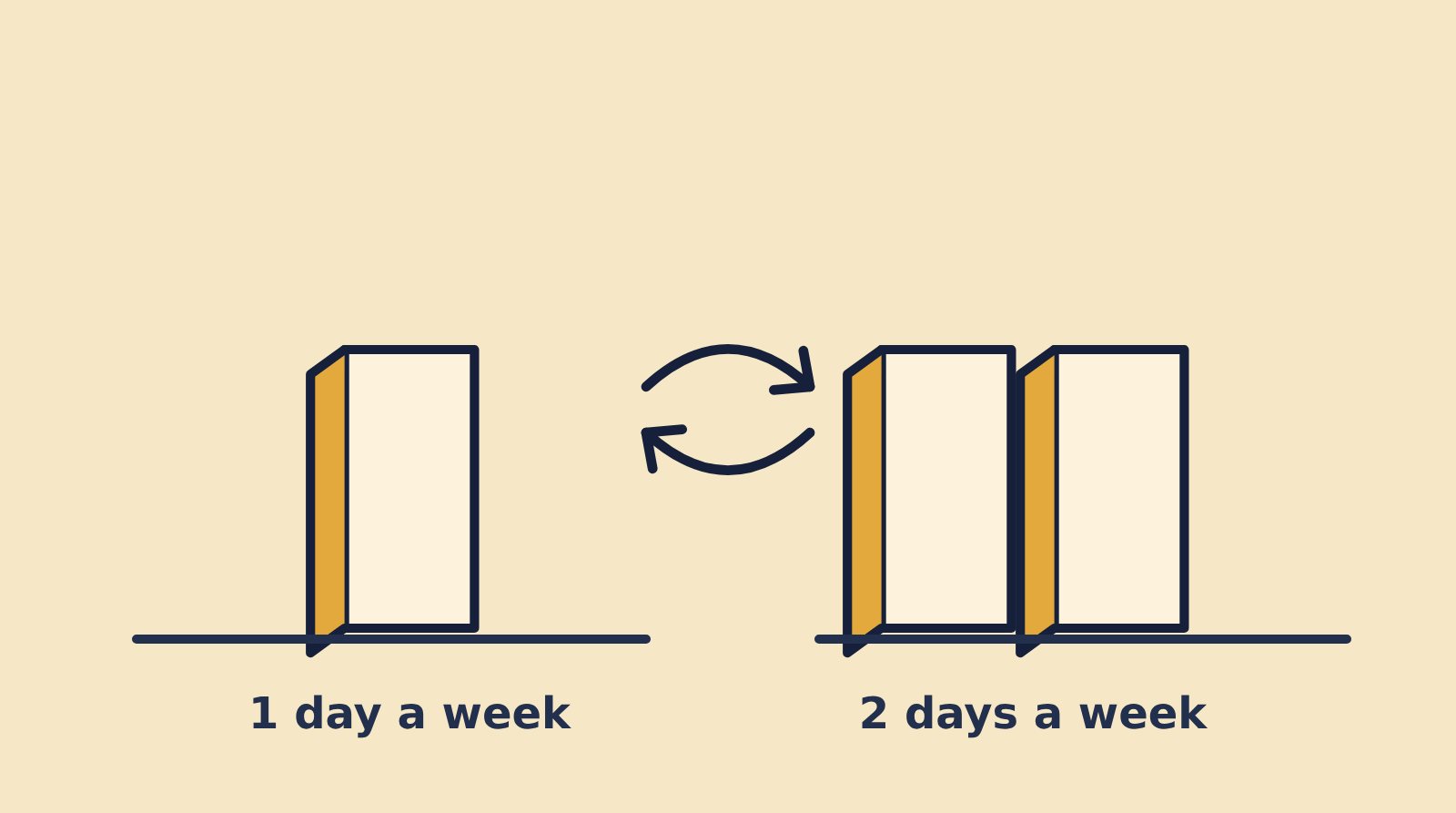
| Juniors, 2 days a week (Wednesday and Friday), recommended | $85 per month |
| Juniors, 1 day a week (Wednesday or Friday) | $55 per month |
| Joining fee | $20, one-off, covers your child’s passbook |
| Family discount | 50% off the monthly fee for every additional family member, on either plan |
| Gi, badge and belt | Not included |
| Grading | Charged separately, held approximately every 6 months |
The dojo’s advice is “Choose 2 days a week for the best results, or 1 day if your schedule is tight”, and it says training one day a week gives slower progress. Students can switch between the plans. The passbook lets you train at any IOSSKA dojo worldwide.
How to try it
- Book. Call 029 128 0873 or fill in the booking form. An instructor will call you within one working day. Mention any injury or health condition and ask the questions above.
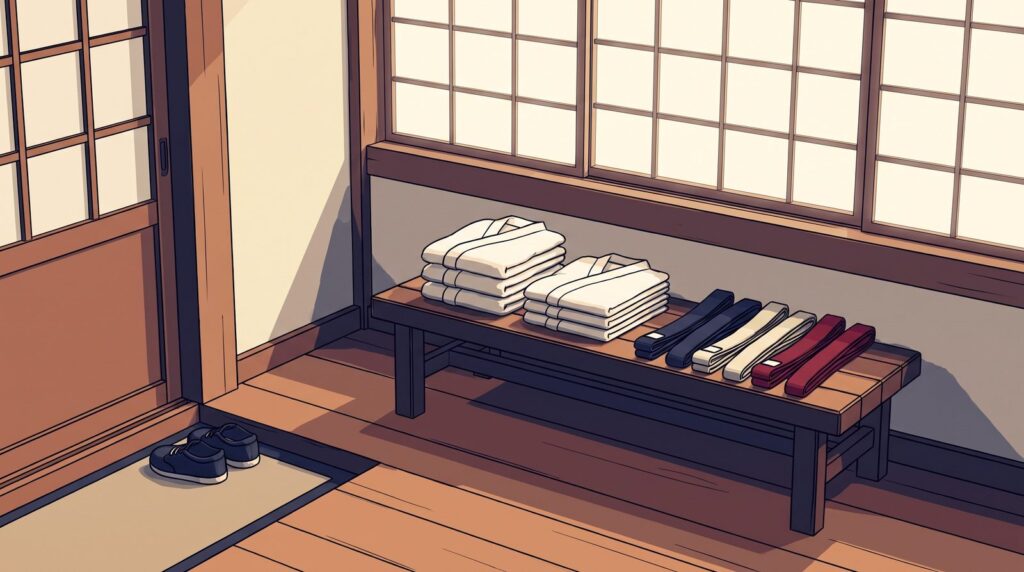
- Wear comfortable clothes your child can move in. A uniform is not needed yet.
- Arrive 10 minutes early.
- Turn up on a Wednesday or Friday, 6 to 7pm. The current term runs from 7 October to 18 December, and bookings for next year will be announced shortly.
For a walk-through of the evening, see what to expect at your first class, and for getting to the dojo from a nearby suburb, junior karate near Remuera.
Frequently asked questions
Is karate safe for kids?
The dojo’s FAQ says yes: respect and discipline are at the centre of Seibukan karate. Tell the instructors about any injury or health condition before class so they can train your child safely.
What age can my child start?
Juniors classes start at age 7 and run to 14. The dojo also runs Family classes, where parents and children train together.
Will karate stop my child being bullied?
The dojo describes its Juniors program as building confidence, discipline and anti-bullying skills, but we have found no independent evidence that a class will stop bullying. If your child is being bullied, talk to the school first: the Ministry of Education says to raise it with the classroom teacher, a dean or the principal.
How often should my child train?
The dojo recommends two days a week for the best results and says one day a week gives slower progress. Health NZ’s guidance for ages 5 to 17 is at least an hour of moderate to vigorous activity every day, so a class is one part of the week.
How much do junior classes cost?
The first two classes are free. After that it is $85 a month for two days a week (recommended) or $55 a month for one day a week, plus a one-off $20 joining fee that covers a passbook. The gi, badge and belt are extra, and grading is charged separately. Every additional family member gets 50% off the monthly fee. Prices are in NZD.
What should my child wear to the first class?
Comfortable clothes they can move in. A uniform is not needed yet. Arrive 10 minutes early.
Sources
- IOSSKA-NZ, seibukan.co.nz: Juniors program, safety FAQ, class times, venue, pricing and booking process (checked October 2026).
- Sit less, move more, sleep well (HE2312), Health NZ: activity, screen time and sleep guidance for ages 5 to 17.
- Bullying: help and support for your child, Ministry of Education: who to contact and how to escalate.
- Kihon, Wikipedia and Kata, Wikipedia: meanings of the two terms.
Ready to try it? Your first two classes are free: Wednesdays and Fridays, 6 to 7pm, at Ōrākei Community Centre. Call now or fill in the form.